Key takeaways
- Financial planning needs to become more dynamic as clients’ lives and financial circumstances change.
- Cash flow can serve as the bridge between clients’ day-to-day decisions and their long-term financial plans.
- Calibration creates an opportunity to replace static reviews with more meaningful, decision-focused conversations.
- Advisors can differentiate by becoming better facilitators of financial decisions, not simply providers of financial information.
- The future of advice is increasingly about helping clients manage their entire financial lives, not just their investment portfolios.
Financial advice is changing.
Clients expect more than investment performance. Advisors are being asked to help navigate increasingly complex financial decisions, from managing cash flow and changing income to making confident choices about spending, investing and long-term goals.
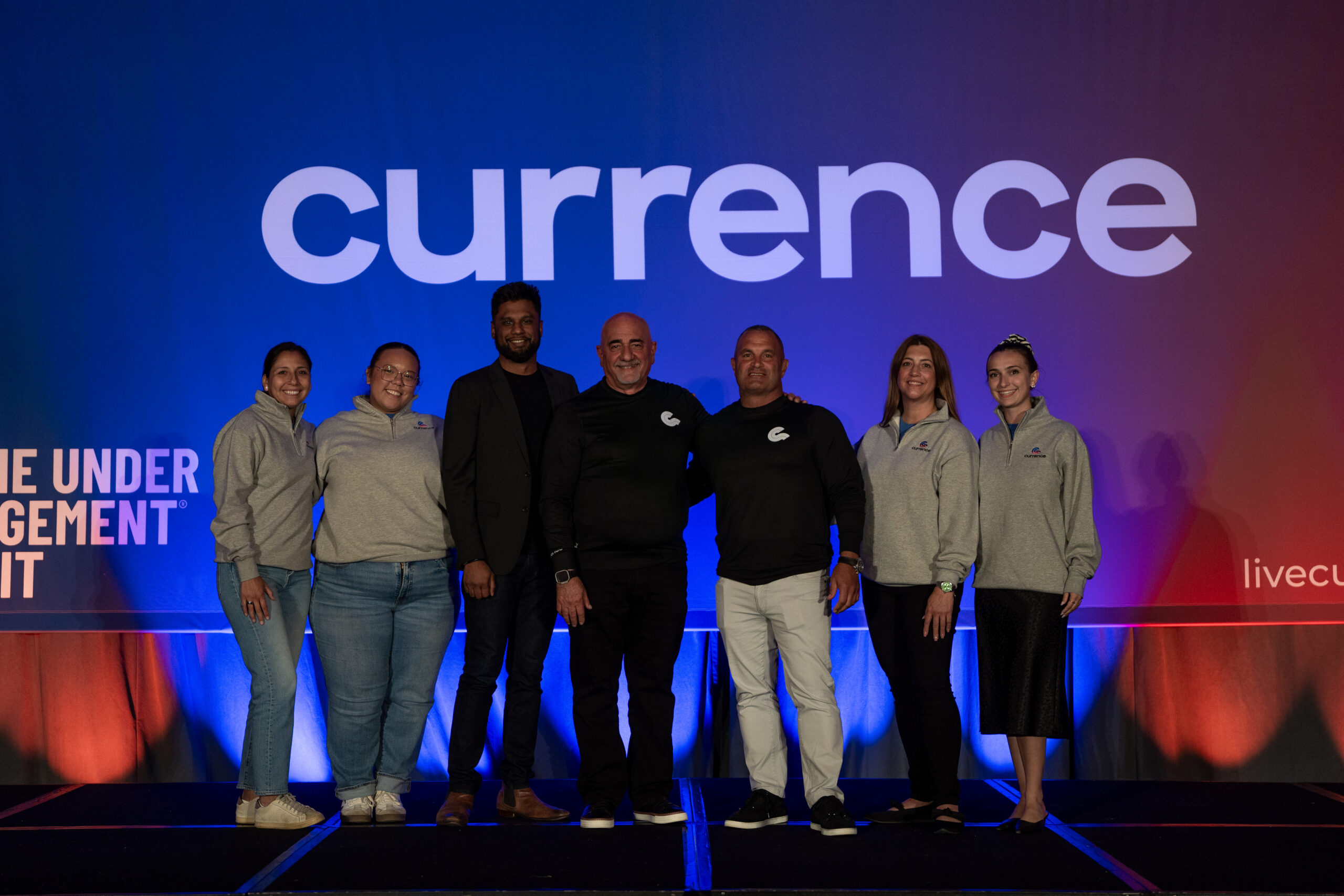
That was the central theme of IUM Summit 2026, held July 19–21 in Nashville, TN.
Over three days, advisors, strategists and industry leaders came together around a simple but increasingly important idea:
The future of financial advice isn’t just about managing wealth, but about helping clients manage their financial lives.
From keynote presentations and advisor training to real-world case studies and conversations with peers, the Summit explored what that shift looks like in practice.
Here are some of the biggest ideas that emerged.
Financial planning must become more dynamic
One of the biggest themes throughout the Summit was the limitations of treating a financial plan as a static document. A plan can be comprehensive and still become outdated.
Income changes. Spending changes. Goals evolve. Markets move. Tax circumstances shift. Life happens.
That means advisors need a process that allows them to continually evaluate what’s happening in a client’s financial life and make adjustments along the way. This was the thinking behind one of the Summit’s recurring themes: Calibration.
Rather than waiting for an annual or quarterly review to determine whether a client is still on track, advisors can create more consistent opportunities to identify changes, discuss decisions, and adjust the strategy. The plan provides the framework, but calibration keeps it connected to reality.
Kristin’s session on “The Calibration Session” took that idea further.
If clients’ financial lives are constantly changing, then the traditional review meeting may need to change with them. A calibration session isn’t simply a retrospective look at what happened, but an opportunity that creates a more active client experience. The Calibration Session is built on a foundational Currence belief: that every client has an ideal financial position, and that the role of the advisor is not to report on the past but to continuously navigate toward that position with precision and intention.
Cash flow belongs at the center of the conversation
Another recurring theme was the importance of starting with the client’s actual financial life.
Clients don’t necessarily wake up thinking about their asset allocation. They think about whether they can afford the house, whether they are saving enough, if they can retire, or how much they can comfortably spend.
Those questions often begin with cash flow.
That is why the practice of Income Under Management represents a different way of thinking about the advisor-client relationship.
Instead of looking exclusively at the assets a client has accumulated, advisors can also focus on the income flowing through the household, and how effectively that income is being transformed into savings, spending, liquidity and progress toward goals.
Cash flow isn’t separate from financial planning. It is one of the places where financial planning becomes real.
The “Currence Way” starts with the client
Currence CEO, David Mozeika’s, keynote, “The Currence Way,” reinforced the philosophy behind this approach.
The goal isn’t simply to give advisors another financial planning process, but to rethink how advisors engage with clients in the first place.
Most advisors walk into a client meeting with a solution looking for a problem. The Currence advisor walks in with something far more powerful; a framework that helps the client see their own financial reality clearly, perhaps for the very first time. The session introduced the Currence Curriculum, the proprietary educational arc that transforms the way clients think about their money before a single recommendation is ever made.
First principles can simplify complex financial decisions
Currence VP, Vince D’Addona’s “First Principles: The Economic Foundation of the Currence Process” brought another perspective to the conversation.
Financial planning can become complicated quickly. There are countless products, strategies, assumptions, and variables competing for an advisor’s attention.
Yet, most advisors were trained to sell products. Currence advisors are trained to put principles first. This session established the immutable economic truths that every recommendation, every conversation, and every client outcome is built upon.
From customers to clients
Mando Sallavanti’s “Customers to Clients” focused on another critical part of the advisor experience: turning a transaction into a relationship. There is a significant difference between having someone purchase a financial service and having someone genuinely engage with an advisor.
Many advisors are brought into this industry being told how to sell, but they’re never told how to retain and build something of actual value. In this session attendees learned how Mando created a high-touch, high-value service that prioritizes client retention while still growing 75% year-over-year for three years in a row.
The Summit emphasized that client relationships aren’t built solely through technical expertise, but are built through the quality of the conversations that advisors create and the consistency with which they help clients move from uncertainty to action.
Advisors need to become better facilitators
Danny Salazar’s session on helping clients articulate their investment philosophy highlighted an important shift: advisors don’t always need to be the person doing all of the talking. Sometimes the most valuable thing an advisor can do is create the structure for a client to think out loud.
The session trained advisors on how to facilitate a structured, purposeful meeting designed to help every client discover (and articulate) the investment philosophy that already lives within them.
Not simply a philosophy or risk tolerance questionnaire dressed up as strategy, but a genuine, personal set of investment beliefs that the client owns, understands, and will return to every time the world tries to pull them off course.
The advisor’s role is becoming more valuable, not less
Perhaps the most important takeaway from IUM Summit 2026 is that technology isn’t eliminating the need for advisors, but is changing what clients need advisors to do.
Technology can make information easier to access, but clients still need someone who can help them interpret what the information means in the context of their lives.
They need someone to help them decide, and that’s where the advisor’s value becomes increasingly important, and an opportunity to create better financial decision-making experiences.
The conversation continues
IUM Summit 2026 may have ended in Nashville, but the conversations it started are only beginning.
The advisors who can connect cash flow to long-term planning, turn information into decisions and continuously calibrate the financial plan around the client’s changing life will be better positioned to build deeper, more valuable relationships.
The future of financial advice will be defined by advisors who are willing to rethink how they engage with clients, and how they measure the value they provide.
This content is for general, informational purposes only. You should not interpret any such information – including referenced or attached materials – as legal, tax, investment, financial, or other professional advice. Please consult a qualified financial, tax, or legal professional for advice specific to your situation.