Key takeaways
- The future of advice is built on relationships. Technical expertise matters, but advisors who foster trust and connection will have the greatest impact.
- Clients need clarity more than information. In a world overflowing with financial content and technology, people still need guidance to make confident decisions.
- Better conversations drive better outcomes. Meaningful dialogue helps clients align their finances with their goals, values, and priorities.
- Communication is becoming a core advisory skill. The advisors who thrive will combine financial knowledge with empathy, active listening, and behavioral coaching.
- Investing in professional growth is essential. Events like IUM Summit help advisors sharpen the skills, strategies, and mindset needed to lead in the future of financial advice
For decades, success in financial services was often measured by the products an advisor offered or the assets they managed. In other words, technical expertise mattered most. The advisor with the deepest product knowledge or the most sophisticated strategy frequently held the competitive advantage.
But today, the landscape has changed.
Clients can access an abundance of information, such as market commentary, retirement calculators, and investment recommendations with only a few clicks. Plus, artificial intelligence can answer basic financial questions in seconds.
Yet despite having more information than ever before, many individuals and families remain uncertain about their financial future, because what they’re searching for isn’t more information, it’s clarity.
And that clarity often begins with a better conversation.
The shift from transactions to transformation
According to the ABA Banking Journal, 88% of U.S. adults reported experiencing some form of financial stress entering 2026, and 77% said they experienced a financial setback in the previous year.
Advisors need to adjust to serve these needs that still exist.
That’s why the most impactful advisors are moving beyond transactional relationships and embracing a more transformational role. Rather than simply managing investments, they’re helping clients align their resources with the lives they want to build.
Clients don’t just want to know if they’re on track for retirement. They want to know:
- Can we afford to help our children through college without sacrificing our future?
- How do we balance enjoying life today while preparing for tomorrow?
- What happens if the unexpected occurs?
- Are our financial decisions supporting the values that matter most to us?
These aren’t questions solved through spreadsheets alone. They require empathy, active listening, and the ability to facilitate meaningful conversations.
The future of advice belongs to professionals who can translate financial complexity into confidence.
Technical expertise is still essential, but isn’t enough
None of this diminishes the importance of technical knowledge. Advisors still need to understand planning strategies, tax implications, investment principles, and risk management.
But expertise without connection has limitations.
The advisors who thrive in the years ahead will combine competence with communication. They’ll master both the science and the art of advising.
Why better conversations matter more than ever
We’re living through an era defined by economic uncertainty, rising costs, competing priorities, and information overload. Clients are navigating increasingly complex financial lives while trying to make decisions that affect generations to come.
In these moments, people don’t simply need answers.
They need guidance.
A well-structured conversation can uncover goals that have never been articulated, identify blind spots that may otherwise go unnoticed, and create the motivation necessary for clients to take action.
In many cases, transformation doesn’t happen because someone received new information. It happens because someone asked a better question.
Investing in yourself
If conversations are becoming one of the most valuable skills in our profession, then developing those skills should become a priority.
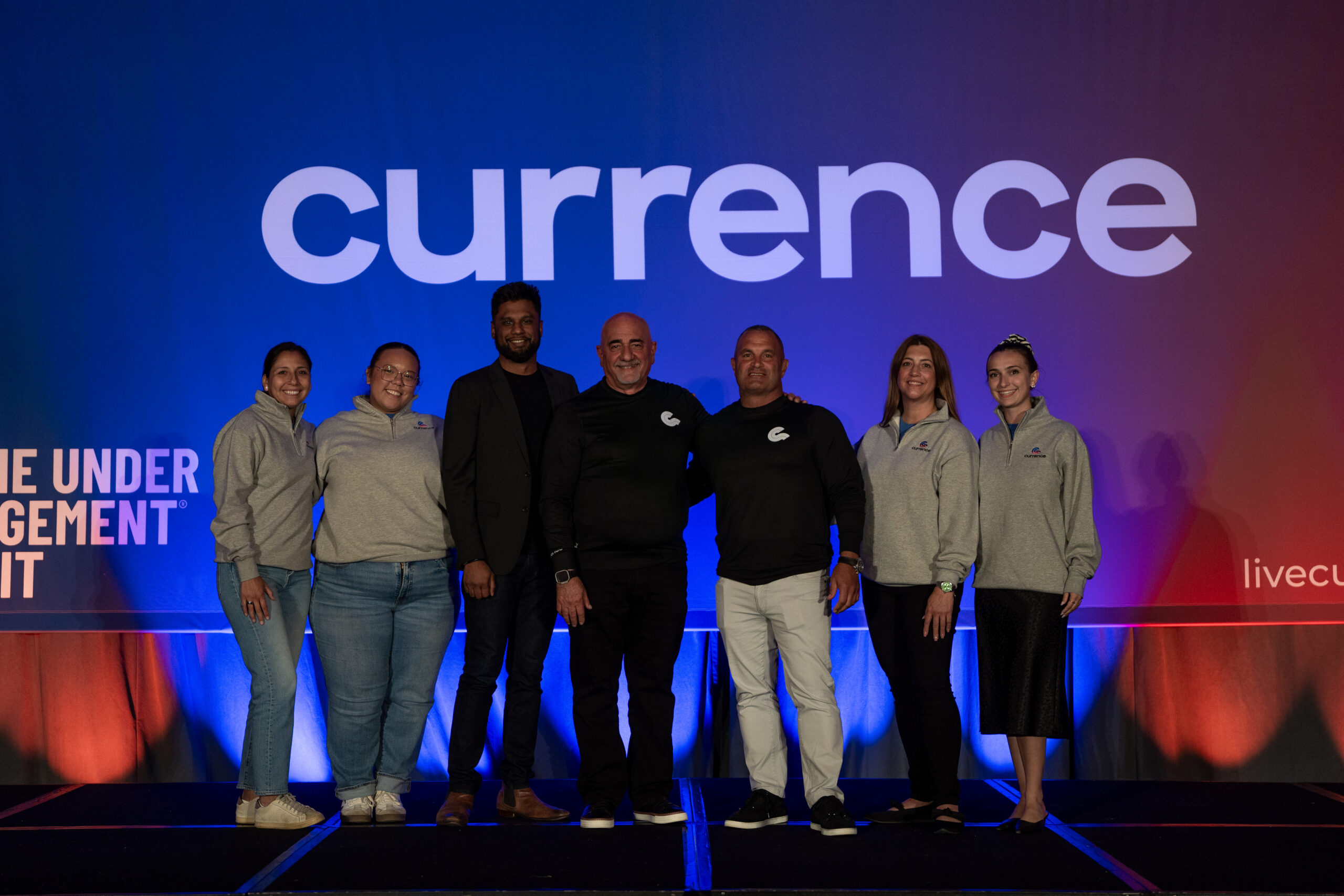
That’s one of the reasons why we built our annual IUM Summit.
The best conferences don’t simply provide content. They create opportunities for growth. They challenge assumptions, introduce fresh perspectives, and equip professionals with practical ideas they can immediately apply within their businesses.
At IUM Summit, attendees have the opportunity to learn from leaders who are redefining what it means to serve clients well. From improving enrollment conversations and strengthening client engagement to exploring innovative approaches to planning and practice management, the focus extends beyond theory to implementation.
The goal isn’t just to leave inspired; it’s to leave prepared.
The opportunity ahead
The financial professionals who will lead the next chapter of this industry won’t necessarily be those with the most impressive presentations or the longest list of solutions.
They’ll be the ones who consistently create trust.
They’ll ask thoughtful questions before offering recommendations and help clients make sense of competing priorities. They’ll foster accountability, provide perspective, and guide families through some of life’s most important decisions.
This is what makes them indispensable.
As our profession continues to evolve, one thing remains clear: people still need people. They need advisors who can listen deeply, communicate clearly, and lead confidently.
Products can be replicated, but meaningful conversations (and the relationships they build) remain one of the most powerful differentiators an advisor can offer.
The future of financial advice won’t be defined solely by better technology or more sophisticated strategies.
It will be defined by better conversations.
This content is for general, informational purposes only. You should not interpret any such information – including referenced or attached materials – as legal, tax, investment, financial, or other professional advice. Please consult a qualified financial, tax, or legal professional for advice specific to your situation.